Rebuild Control. Move Without Apprehension.

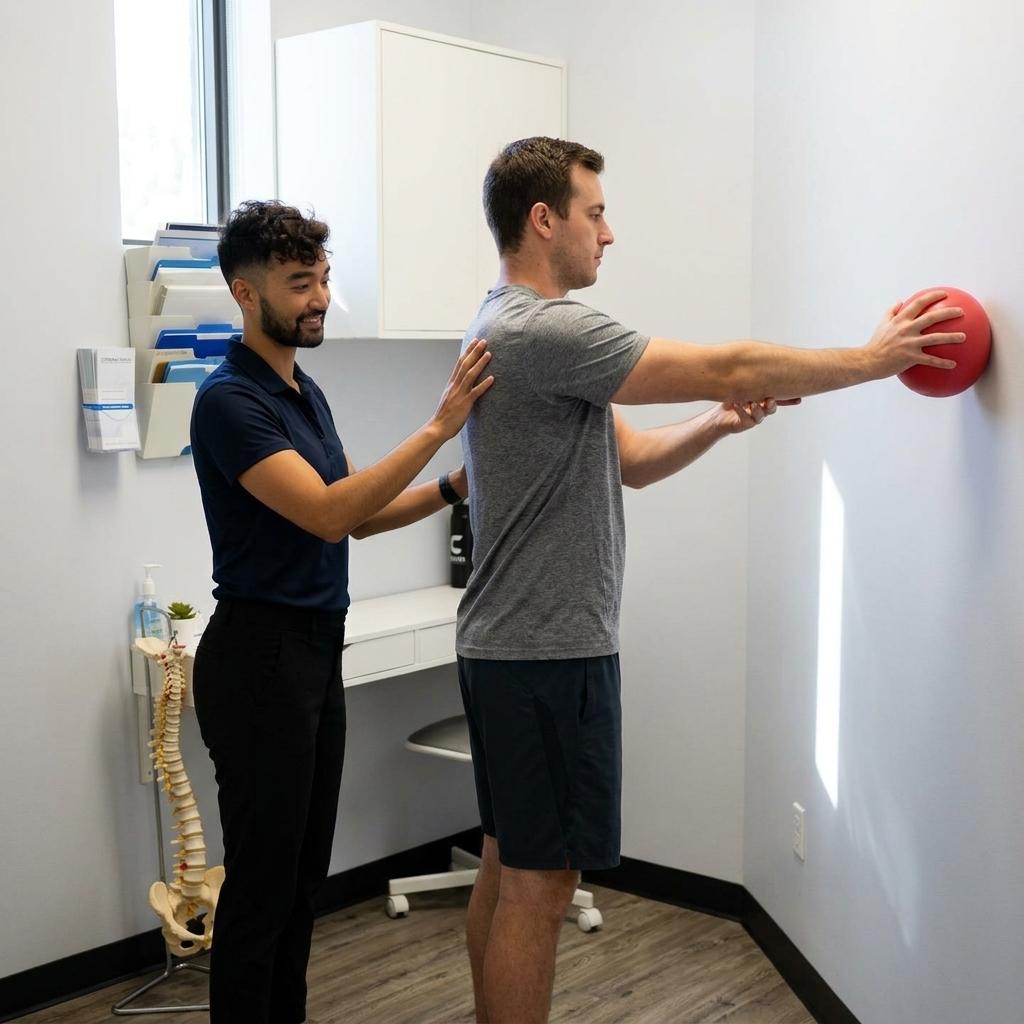
Shoulder instability is fundamentally a neuromuscular control condition. When passive structures that hold the joint in place are compromised, the active muscular system must compensate — and when those muscles are underprepared or poorly coordinated, the shoulder becomes vulnerable. Physiotherapy for shoulder instability is a structured rehabilitation approach that directly addresses this gap by targeting rotator cuff co-activation patterns, scapular positioning, and proprioceptive awareness at vulnerable end-range positions.
Care begins with a thorough biomechanical assessment to help identify the direction and severity of joint laxity, any movement compensations that have developed, and the specific muscular deficits contributing to looseness. Treatment then progresses through a phased protocol — starting with closed-chain exercises that promote safe co-activation and joint position sense, then systematically advancing toward open-chain and dynamic stabilization drills to help rebuild active stability under real-world loading demands.
This approach represents a meaningful departure from passive, symptom-focused care. The goal is lasting neuromuscular control — helping patients return to confident overhead pressing, throwing, lifting, and dynamic sport movements with reduced apprehension and fewer recurrent subluxations.
| Phase | What Happens | Timeframe |
| Initial Assessment | An in-depth biomechanical evaluation of joint laxity, compensatory movement patterns, and strength deficits. This culminates in a customized rehabilitation roadmap specific to the direction and severity of your instability — no assumptions, no templated programs. | First appointment |
| Treatment Sessions | One-on-one sessions combining manual therapy to address compensatory tightness with supervised, progressive neuromuscular and strength-training exercises tailored to your identified deficits. Sessions evolve continuously as dynamic stability and joint confidence improve. | Ongoing, phased progression |
| Timeline | Many patients notice meaningful functional improvements and reduced apprehension within 4 to 8 weeks. Comprehensive athletic return or full stabilization programs typically span 3 to 6 months of consistent, targeted rehabilitation for long-term control. | 4 weeks – 6 months |
For many patients, the central question is honest and practical: do I need surgery, or can rehabilitation help stabilize this shoulder? The answer depends on the nature and severity of the instability — and it requires a transparent, individualized evaluation rather than a one-size-fits-all recommendation.
| Treatment Path | Key Considerations |
| Structured Physiotherapy | Often an evidence-based first-line approach for many instability presentations. Focuses on building dynamic muscular support to help stabilize the joint — with no surgical downtime, progressive loading, and adaptability to active athletic demands across all age groups. |
| Surgical Intervention (e.g., Bankart Repair) | Generally reserved for severe structural damage, recurrent acute dislocations, or cases where a comprehensive individualized physiotherapy program has been fully explored. Our practitioners work collaboratively with surgical teams, supporting patients through pre-operative preparation and post-operative rehabilitation. |
| Generic Exercise or Rest | Rest and non-individualized exercise may temporarily reduce discomfort but are less likely to address the specific directional instability, proprioceptive deficits, or structured loading progressions involved in achieving lasting joint control. |
We never position any single path as universally correct. For patients who ultimately require surgical stabilization, our team provides a seamless transition — supporting shoulder function before the procedure and guiding recovery after it.
Addressing shoulder instability requires far more than a standard shoulder strengthening program. It requires a licensed clinical team that understands the meaningful difference between generalized rotator cuff conditioning and a structured, phased neuromuscular instability protocol built around a patient’s specific joint presentation and functional goals.
At Ottawa Health: Performance and Rehab, we offer comprehensive care from initial biomechanical assessment through to return-to-sport and long-term maintenance — all under one roof. This integrated approach is designed to move efficiently from assessment to active rehabilitation, supporting a confident and functional return. To learn more about how we approach shoulder rehabilitation, visit Ottawa Health: Performance and Rehab and explore our full range of physiotherapy and performance services.
Managing shoulder instability effectively requires a clinical team with specific experience treating traumatic anterior instability, atraumatic looseness, and multidirectional instability presentations — not just a familiarity with general shoulder anatomy. Our licensed practitioners bring focused clinical experience to every assessment and session.
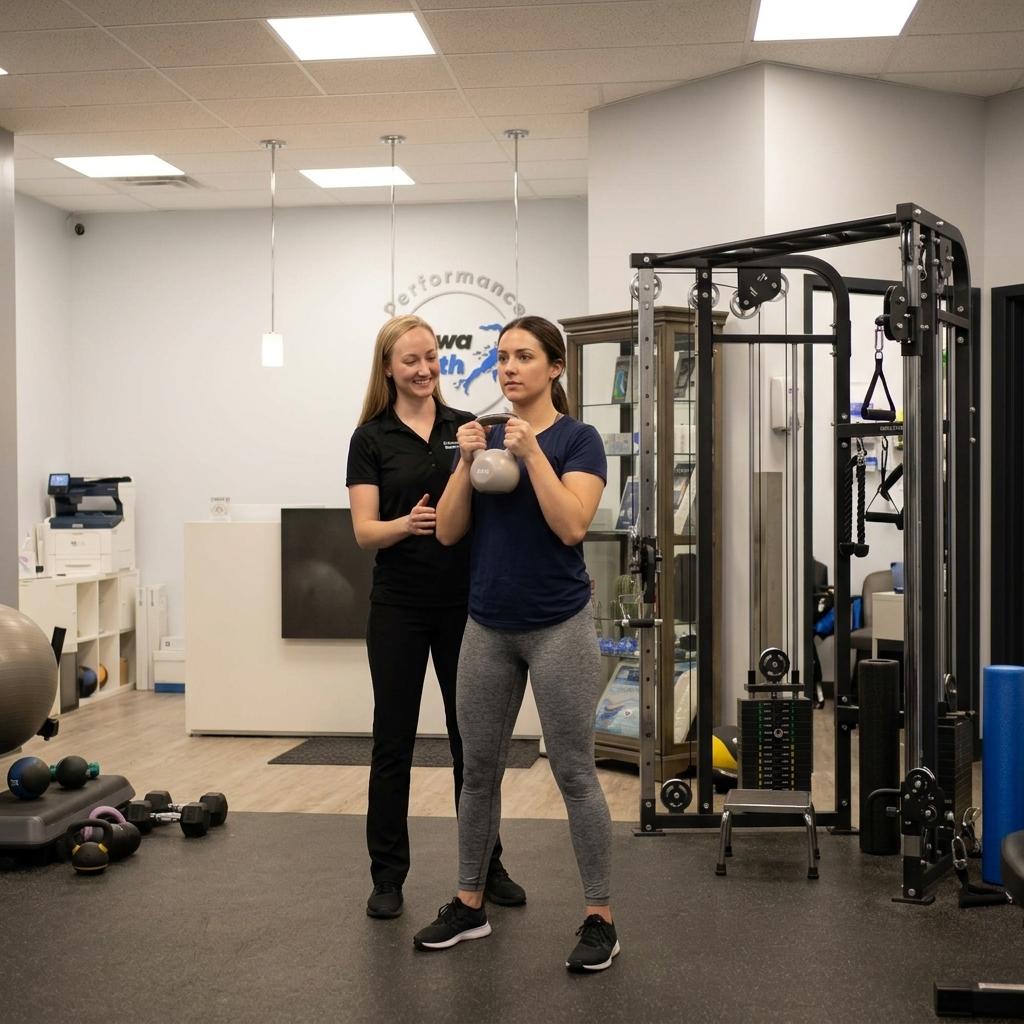
Patients managing shoulder instability come to Ottawa Health at different stages — some recovering from a first dislocation, some after months of prior generic rehabilitation, and some weighing a surgical recommendation. Here is what some of them have shared about their experience with our physiotherapy team.
“I cannot tell you how grateful I am to have found this place, specifically for their private medical services. Both my mom and I have been members there for a few months and we are so very pleased with all of the care we have received.”
— W.W
“Great therapy. I recommend it over any other form of therapy.”
— C.L
“I highly recommend him for his professionalism and compassion. I appreciated that he took the time to listen carefully without rushing me. After just the first consultation, the results were evident.”
— N. P
Structured physiotherapy is often an evidence-based first-line approach for many instability presentations, focusing on building dynamic muscular support without any surgical downtime. Surgery, such as a Bankart repair, is typically reserved for cases involving severe structural damage or situations where a comprehensive, individualized rehabilitation program has been fully explored without sufficient improvement. Our practitioners can guide you transparently through both paths and collaborate with surgical teams when appropriate.
Generic physiotherapy programs that rely on passive modalities or non-specific resistance exercises may not fully address the directional laxity, proprioceptive deficits, or progressive loading requirements involved in shoulder instability. Our licensed practitioners deliver an individualized, structured neuromuscular protocol built around closed- and open-chain loading, proprioceptive re-education, and biomechanical correction specific to your joint’s unique presentation and functional demands. The distinction lies in clinical precision and progressive specificity, not just the tools used.
Rehabilitation is a phased, progressive process, and the number of sessions varies depending on the severity of instability, functional goals, and individual response to treatment. Many patients begin noticing meaningful reductions in apprehension and improved joint control within 4 to 8 weeks. Full functional return — particularly for overhead athletes, manual workers, or contact sport participants — typically requires 3 to 6 months of consistent, goal-directed physiotherapy.
We emphasize smart activity modification rather than prolonged rest — safe ranges of motion and lower-risk training options are identified early to help you maintain both fitness and confidence throughout the process. Higher-risk activities, such as contact sport or heavy overhead loading, are temporarily scaled back until the shoulder demonstrates sufficient dynamic stability and neuromuscular control to withstand those forces safely. The timeline for reintroducing specific activities is guided by measurable clinical progress, not arbitrary time restrictions.
Building genuine neuromuscular control through a structured rehabilitation program can support long-term dynamic stability well beyond the clinical phase of care. Sustained outcomes are more likely when patients maintain the foundational strength and proprioceptive exercises developed during rehabilitation. We intentionally design our treatment programs with long-term self-management in mind, aiming to equip you with the tools to help protect your joint without ongoing clinical dependency.
Physiotherapy services are widely covered under most employer group health benefit plans in Ontario, including those held by many government and public sector workers in Ottawa. Coverage amounts and eligible services vary by individual plan, so we encourage patients to verify their specific details with their insurance provider before beginning care. We provide all required documentation to support smooth and efficient claims processing on your behalf.
Physiotherapy services are generally covered under most employer group health benefit plans in Ontario. Coverage amounts and eligible services vary depending on individual insurance policies, so we encourage every patient to verify their specific plan details before beginning care. We provide all required clinical documentation to support smooth, efficient insurance claims processing. Please contact our clinic directly to discuss available coverage options for your situation.
Ottawa Health: Performance and Rehab is conveniently located to serve physiotherapy patients from across Ottawa and the surrounding area. We regularly support patients from communities including Kanata, Barrhaven, Nepean, Gloucester, Orléans, and Stittsville. We also frequently assist patients from Gatineau, QC who travel for targeted, structured care.
Whether you are a young athlete managing a first dislocation, an active professional dealing with recurring instability, or a retired individual seeking to reclaim shoulder confidence, our clinic is accessible and ready to support the broader Ottawa active community.
A structured, individualized physiotherapy program can make a meaningful difference — whether you are recovering from a first dislocation, managing recurring instability, or carefully weighing conservative care against a surgical recommendation. We are prepared to help you navigate recovery with clinical clarity and a precise, phased approach.
Book your assessment at Ottawa Health: Performance and Rehab today. Schedule online or call our clinic directly to find an appointment time that works for your schedule.
Ottawa Health: Performance and Rehabilitation
1535 Bank Street
Ottawa, ON K1H 7Z1
Telephone: (613) 728 9414
Fax: (613) 702 8676
E: Frontdesk@ottawahealth.ca
Ottawa Health: Performance and Rehabilitation is conveniently located to serve Ottawa and Alta Vista from our new state-of-the-art location on Bank Street. We’re near the intersection of Bank and Heron Rd., across from Farm Boy and south of Billings Bridge. Public transport stops are nearby.
SUBSCRIBE
Get Started Today
Contact us today to book your first appointment for evidence-based chiropractic care in Ottawa and Alta Vista. We can direct bill for most insurance plans.

Menu
Office Hours
Monday – Thusday
8:00 am – 7:30 pm
Friday
8:00 am – 4:00 pm
Saturday
10:00 am – 2:00 pm
Top Chiropractic Clinic Thank you for your support!
© 2026 Ottawa Health. All right reserved