

TLDR
Static stretching before sports has limited support as a standalone injury-prevention strategy. A structured warm-up that moves from light aerobic activity to dynamic mobility to sport-specific activation drills prepares the body far more effectively for the demands of play. Save longer static holds for after activity or recovery days.
Picture the scene before almost any recreational game or practice in Ottawa: a group of players standing in a circle, each holding a hamstring stretch for 30 seconds, then moving to a quad stretch, then a calf hold. It feels like the responsible thing to do. It is what many of us were taught in gym class, and it has stuck around for decades in youth sports, adult leagues, and fitness routines alike.
The problem is that this ritual, while familiar, is not doing what most people think it is doing. Static stretching before exercise is not an effective injury shield on its own, and in some contexts it may temporarily reduce the power output your body needs for explosive sport demands.
This post explains what the evidence actually shows, why a different warm-up approach works better, and how to build a 10-minute pre-sport routine that genuinely prepares your body for activity.
Is Static Stretching Before Exercise a Complete Injury-Prevention Plan?
Static stretching means holding a single position for 20 to 60 seconds without movement, for example, reaching toward your toes and staying there. It became a fixture in warm-up routines largely through habit and tradition rather than strong evidence.
Current research tells a different story. A review published on PubMed Central examining the acute effects of static stretching on muscle strength and power found that prolonged static stretching before activity can temporarily reduce maximal strength and power output. For athletes who need to sprint, jump, cut, or throw, that is a meaningful consideration.
Beyond the performance question, the evidence that static stretching alone reduces injury rates in sport is weak. It addresses tissue length but does not prepare the nervous system, improve joint stability, or rehearse the coordination patterns that sports actually require.
Static stretching is not useless. It has a real place in cool-down routines, flexibility-focused training, and personalized mobility work. It is simply not the right tool for the job when the job is preparing your body to compete.
What Does a Warm-Up Actually Need to Do?
A warm-up routine before sports should prepare your entire system for the demands ahead, not just lengthen a few muscles. Research revisiting the science of warm-up protocols outlines several key physiological goals that a proper pre-sport routine addresses.
- Raise core body temperature and increase blood flow to working muscles
- Move joints through the ranges of motion the sport will require
- Activate stabilizing muscles around the hips, knees, ankles, shoulders, and core
- Rehearse the speed, direction changes, and coordination patterns of the activity
- Prepare the nervous system to respond quickly and accurately
A good pre-sport warm-up should move from general movement to dynamic mobility to sport-specific drills. That progression ensures the body arrives at full readiness, not just looseness.
For injury prevention in young athletes and active adults alike, readiness matters more than flexibility. A flexible muscle that is not activated and coordinated is still a muscle that is not ready to perform.
What Is Dynamic Mobility Work and Why Does It Work Better Before Sport?
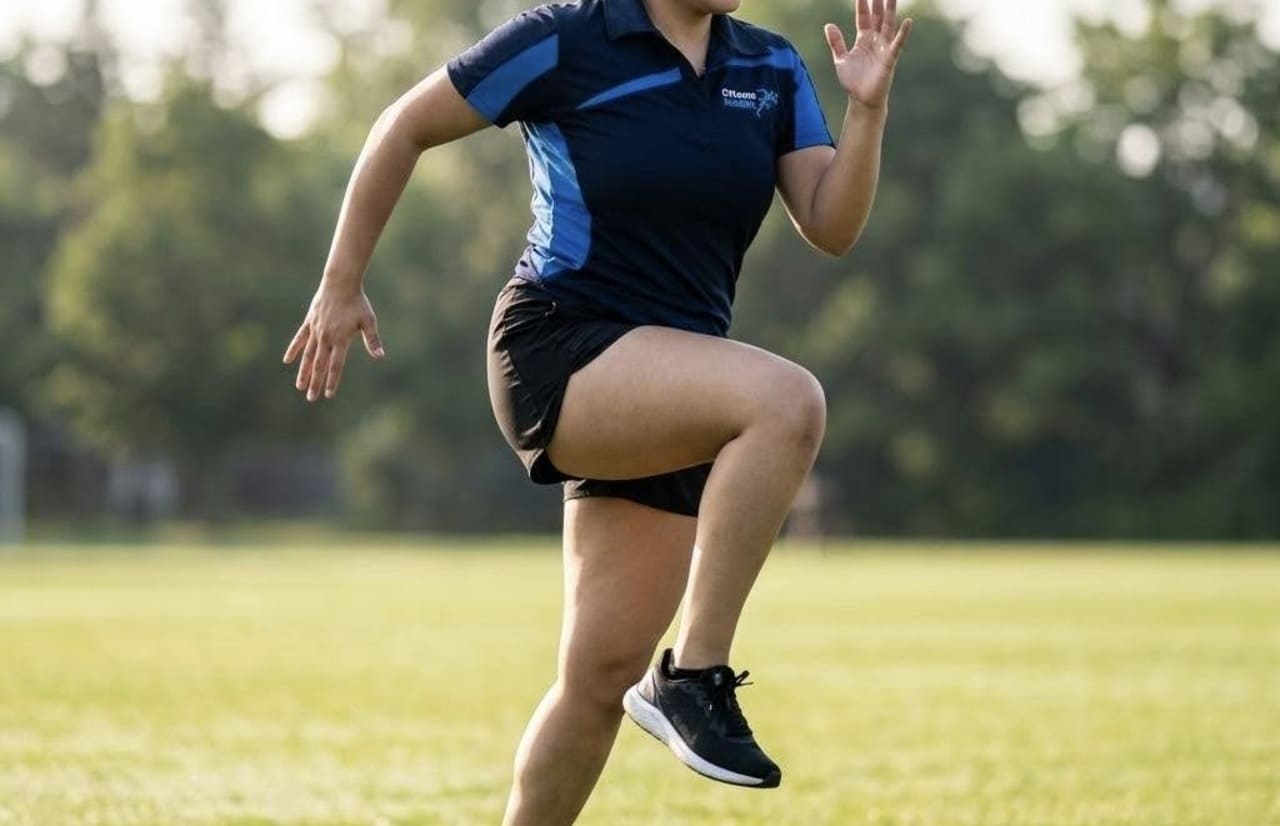
A dynamic warm-up for athletes means moving through active ranges of motion with control, rather than holding a position passively. The body warms up while moving, which more closely mirrors what sport actually demands.
Dynamic Mobility (before sport) | Static Stretching (better after sport) |
Walking lunges with rotation | Standing quad hold |
Leg swings (front to back, side to side) | Seated hamstring stretch |
Hip circles and ankle rocks | Calf hold against a wall |
Lateral shuffles | Lying glute stretch |
Arm circles and thoracic rotations | Cross-body shoulder hold |
Inchworms, bear crawls, skips | Overhead triceps stretch |
Dynamic movements match sport demands because sprinting, cutting, skating, and throwing all require the body to produce force through active, moving ranges. Static holds do not rehearse that.
Scaling Dynamic Work for Different Populations
A 17-year-old hockey player and a 55-year-old recreational tennis player need similar principles but different execution. Teen athletes benefit from higher-intensity movement prep with emphasis on landing and cutting mechanics. Middle-aged professionals coming from a desk environment often need more time on hip flexors, thoracic spine mobility, and ankle range. Older active adults do well with a more gradual intensity ramp and additional attention to balance and joint preparation.
What Are Sport-Specific Activation Drills and Why Do Most Warm-Ups Skip Them?
Sport-specific activation drills are targeted movements that engage the muscles and coordination patterns your sport will demand before you need them at full intensity. This is the step most generic warm-ups leave out entirely.
Activation is not random exercise. It should match the movement demands of the activity ahead. Here are examples organized by sport context:
- Soccer and basketball: Lateral shuffles, single-leg balance reaches, deceleration drills
- Running: Marching drills, A-skips, glute activation, short progressive strides
- Hockey and skating sports: Hip mobility circles, lateral bounds, groin activation, controlled edge-style lateral movement
- Tennis, pickleball, and golf: Trunk rotations, shoulder activation, footwork patterns, controlled practice swings
- Gym and strength training: Ramp-up sets, hinge patterning drills, squat mobility, banded shoulder work
The goal of activation drills is to sharpen movement quality, not create fatigue. If the drills leave you tired before the activity starts, they are too intense for this phase of the warm-up.
A physiotherapist can assess which muscles or movement patterns need attention based on your sport, injury history, and movement profile, so activation work targets what actually matters for you.
A Simple 10-Minute Warm-Up Framework That Outperforms Standing Stretches
Guidance from the University of Delaware on athlete warm-up routines supports a progressive structure that moves from general to specific and from low intensity to sport intensity. Here is a practical version you can use:
- Minutes 1 to 3: Light aerobic movement such as jogging, cycling, skipping, or brisk walking
- Minutes 3 to 6: Dynamic mobility targeting hips, ankles, spine, and shoulders as relevant to your sport
- Minutes 6 to 8: Activation drills for glutes, core, calves, rotator cuff, or sport-relevant stabilizers
- Minutes 8 to 10: Sport-specific rehearsal such as progressive sprints, directional change work, shots, swings, throws, or controlled jumps at near-sport intensity
Modifications Worth Knowing
If you sit at a desk most of the day, spend more time on hip flexors, thoracic spine rotation, and ankle mobility before moving into higher-intensity work. If you are a young athlete focused on field or court sports, prioritize landing mechanics and deceleration patterns. If you are an older active adult, a more gradual intensity progression and deliberate balance work will serve you well.
One practical note: pain, sharp discomfort, dizziness, or swelling during any warm-up phase should change your plan. These are signals worth discussing with a licensed healthcare professional before continuing.
Where Does Static Stretching Actually Belong?
Static stretching earns its place in a thoughtful movement routine, just not as the centerpiece of your pre-sport preparation. Here is where it fits well:
- After activity as part of a cool-down, when muscles are already warm
- On recovery days focused on flexibility maintenance
- As part of a personalized plan for specific mobility limitations identified by a licensed professional
- When incorporated into a broader routine alongside other movement work
Stretching should feel controlled and tolerable throughout. Discomfort that feels sharp or produces pain is a sign to ease back.
The core shift is straightforward: before sport, move first. After sport, longer holds have a place.
Key Takeaways
- Static stretching before sports has limited evidence as a standalone injury-prevention strategy and does not prepare the nervous system or joints for athletic demands.
- Prolonged static stretching immediately before explosive activity has been shown in research to temporarily reduce strength and power output in some contexts.
- An effective warm-up routine progresses from light aerobic movement to dynamic mobility to sport-specific activation drills, taking roughly 8 to 12 minutes.
- Dynamic mobility involves moving through active ranges of motion, which more closely mirrors the demands of sport than holding a fixed position passively.
- Sport-specific activation drills engage the muscles and coordination patterns required by the activity before full intensity begins, and they should sharpen movement rather than create fatigue.
- Static stretching remains valuable after activity, on recovery days, and within personalized mobility plans, but belongs after sport rather than before it.
Build a Smarter Warm-Up With Personalized Physiotherapy
Generic warm-up routines are a starting point, but they are not built around your movement patterns, your sport, or your history. Ottawa Health: Performance and Rehab provides one-on-one physiotherapy support for athletes, active adults, and recreational movers across Ottawa who want a more efficient path to better movement.
Our licensed professionals assess mobility, strength, motor control, and sport-specific demands in one convenient location. A personalized warm-up and injury-prevention plan addresses your immediate readiness and your long-term movement health, without relying on routines that were not designed with you in mind.
Book a Physiotherapy Assessment in Ottawa
Frequently Asked Questions
Is static stretching before exercise bad?
Static stretching is not automatically harmful, but it is generally not the most effective way to prepare for sport. Before activity, dynamic mobility and progressive movement tend to be better choices. Static stretching fits more naturally after activity or within a dedicated flexibility routine.
What is the best dynamic warm-up for athletes?
The most effective dynamic warm-up depends on the sport. A strong general structure includes light cardio, dynamic mobility, activation drills, and sport-specific movement rehearsal. A soccer player, runner, golfer, and hockey player each have different demands and should prepare accordingly rather than following a single universal routine.
How long should a warm-up routine before sports take?
Most athletes and active adults do well with 8 to 12 minutes. Higher-intensity sports, colder weather, previous injuries, or stiffness from extended sitting during the day often benefit from a longer and more gradual warm-up process.